
How to Promote BJJ Students: Belt and Stripe Criteria
Learn the criteria BJJ instructors use to promote students through belts and stripes. Practical guidelines for fair, consistent promotions.
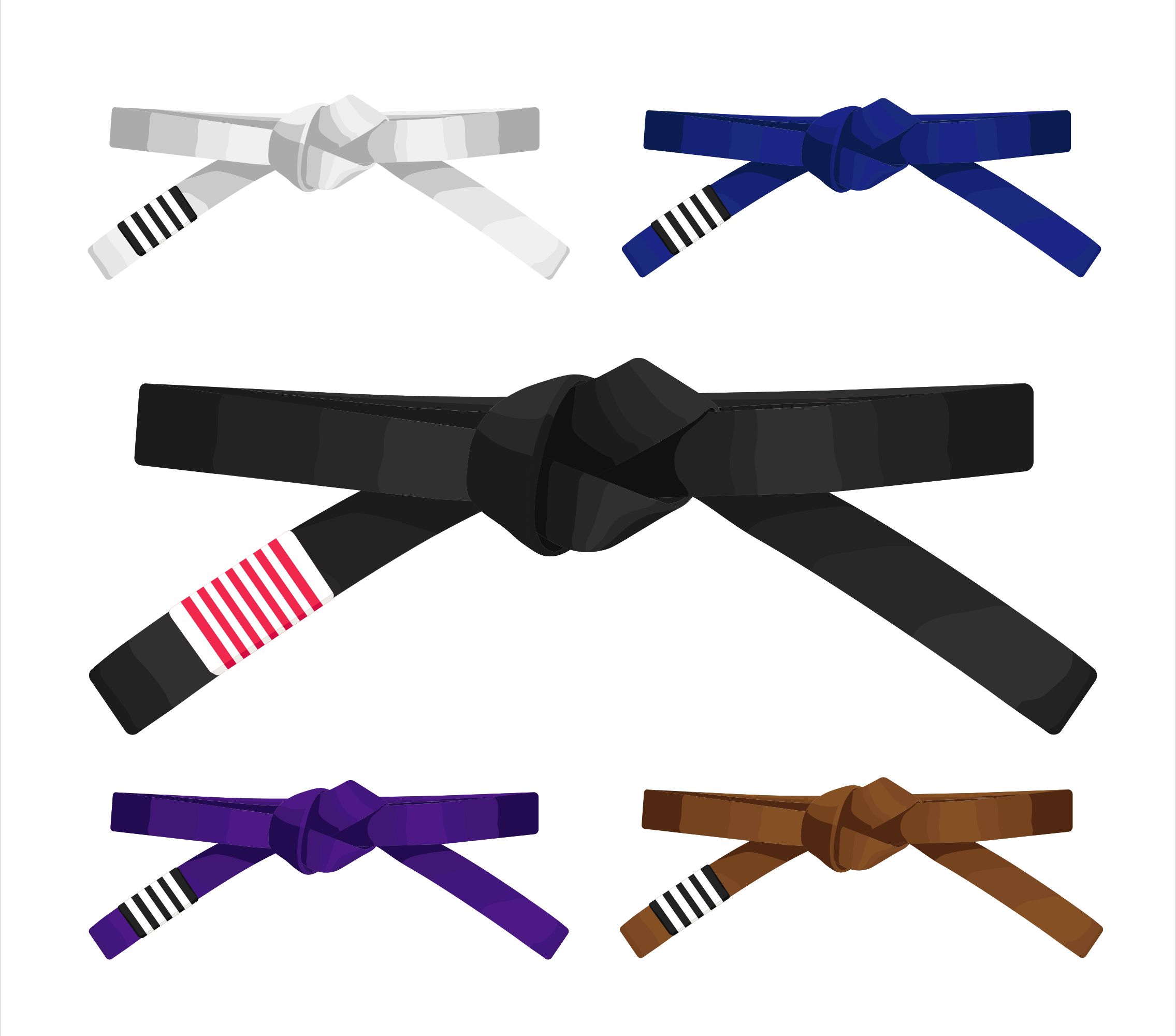
Promoting a student is one of the most meaningful acts in a BJJ academy. It signals progress, builds trust, and keeps people training. But many instructors do it inconsistently, and students notice.
This article breaks down what most experienced instructors use as promotion criteria, from stripes to black belt.
Why Consistent Promotions Matter
When students do not know what to expect, frustration builds. One person gets a stripe after six months. Another waits two years with no explanation. Both stop believing the system is fair.
Consistent promotions do not mean everyone advances at the same speed. They mean you use the same criteria for everyone and communicate that clearly.
Retention at your academy depends partly on students feeling their progress is recognized. Promotions are the most visible form of that recognition.
Stripe Criteria: The Day-to-Day Signal
Most academies use 4 stripes per belt before moving to the next level. Each stripe is a checkpoint, not a reward for showing up.
The main factors instructors use:
- Attendance consistency. Students who train 3 or more times per week naturally develop faster. A student with 60 classes in 6 months shows more commitment than one with 20.
- Technical understanding. Can the student execute fundamental positions: guard, mount, back control, basic sweeps, basic submissions? Stripes should reflect real skill, not just time on the mat.
- Behavior on the mat. Does the student train with control? Do they help newer students? Are they a positive presence in class?
- Drilling and retention. When you teach a technique, can this student apply it the following week, or does it disappear?
There is no magic number of classes per stripe. Some instructors use 25-30 classes as a rough threshold. Others go purely by feel. What matters is that you apply the same standard to everyone.
Belt Promotion Criteria by Level
White to Blue Belt
This is the most common promotion in any academy. It is also the one with the highest dropout risk. Around 70% of BJJ students quit before reaching blue belt, so how you handle this transition matters.
For blue belt, look for:
- 2 to 3 years of consistent training (some students earn it faster with higher frequency).
- Solid defensive fundamentals: guard retention, hip escapes, bridging.
- The ability to submit beginners with basic techniques.
- Calm performance when rolling with higher belts.
- Resilience: the student comes back after losses and setbacks.
Blue belt is not about dominating everyone. It is about demonstrating that the student has built a real foundation.
Blue to Purple Belt
Purple belt is where many academies lose students. The blue belt plateau is real. Students who reach purple have survived it. That survival is part of what you are recognizing.
For purple belt, look for:
- 3 to 5 years of total training time.
- A recognizable personal game: the student has go-to positions and submissions.
- The ability to control rounds with less experienced students from any position.
- Consistent performance against other blue belts.
- Some exposure to competition, seminars, or open mats with other academies (not required, but worth noting).
If you want to understand how long students typically train before reaching purple, see our article on how long it takes to get a purple belt in BJJ.
Purple to Brown Belt
Brown belt candidates have typically trained 6 to 9 years. The gap between purple and brown is often the longest for adult practitioners.
At this level, look for:
- Deep technical fluency across multiple positions.
- Ability to teach fundamentals clearly to beginners.
- Mature, controlled rolling: no need to prove anything.
- Leadership within the academy community.
Brown to Black Belt
Black belt is a statement that the instructor trusts this person to represent the art. Technical skill is necessary but not sufficient.
For black belt, look for:
- 8 to 15 years of training (IBJJF recommends a minimum of 31 years of age and specific time requirements).
- The ability to run a class independently.
- Deep knowledge across all fundamental positions.
- Character and maturity: this person will be an ambassador for BJJ.
Only about 16% of registered BJJ practitioners reach black belt. It is rare and should feel that way.
Common Mistakes Instructors Make
Promoting too fast to keep students happy. A blue belt who is not ready will struggle with the higher expectations that come with the rank. That can lead to discouragement and dropout.
Not communicating what is expected. Students who do not know the criteria will fill the silence with assumptions. Tell them what you look for.
Inconsistency between students. If one student gets promoted after 12 months and another waits 3 years with no feedback, trust breaks down. Even if the reasons are legitimate, communicate them.
Forgetting attendance data. When you have 50 or 80 students, tracking who has been training consistently is hard without help. MatGoat tracks attendance and belt progression so you can review real data before a promotion cycle.
How to Manage Promotion Cycles
Most academies promote students 2 to 4 times per year. Some do it quarterly, others twice a year around major milestones. There is no universal rule.
A simple process that works:
- Review attendance records for the past 6 months.
- List students who are near a stripe or belt threshold.
- Observe those students in class during the 4 weeks before the ceremony.
- Make your decision and hold the ceremony publicly.
The ceremony itself matters. Calling a student to the center of the mat, tying the new belt, and having the class acknowledge the moment creates a memory. That memory keeps people training.
Tracking Promotions at Scale
When your academy has 30 students, you can hold all promotion history in your head. At 80 students, that stops working.
A good management system stores each student’s belt, stripe count, and promotion history. It lets you filter by belt level, see who has been at a rank for 18 months, and compare attendance data alongside progress.
MatGoat includes full belt and grade tracking, with a timeline of each student’s promotion history. You can see at a glance which students are ready for the next conversation.
Belt Promotions Build Your Academy’s Culture
Students talk about their promotions for years. They remember exactly where they were, who was in the room, what their instructor said.
When you promote with intention and consistency, you build a culture where ranks mean something. That attracts serious students and keeps them around for the long term.
Want to manage your academy’s belt tracking and student data in one place? Try MatGoat free for 30 days and see how it simplifies promotion cycles.

BJJ practitioner, blue belt, always eager to keep learning and improving. Software engineer for over 15 years, I founded MatGoat to help BJJ and MMA academies continue growing.


