
BJJ for Kids: How to Structure a Program Parents Love
A practical guide for BJJ academy owners building a kids program. Plan classes, communicate with parents, track attendance, and manage promotions.
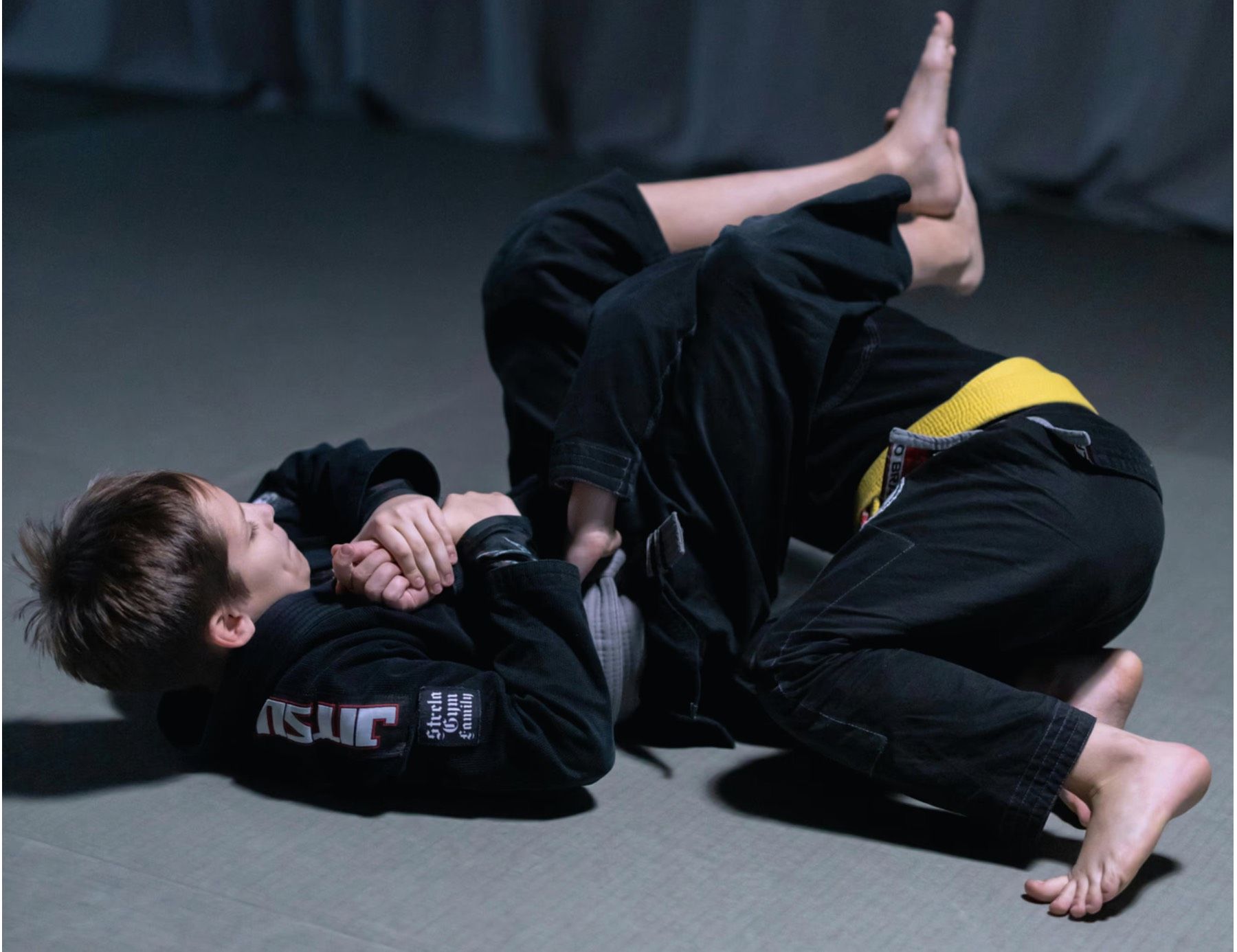
For a BJJ academy owner, parents are the decision-makers in a kids program. Their child enjoys class and wants to return, while the parent manages the schedule, pays the fees, and decides whether the family stays. A well-structured program earns confidence from both.
If you are planning a program across several disciplines, start with the broader guide to building a kids martial arts program families trust. This article focuses on the class structure, youth progression, and family relationship specific to BJJ.
A Kids Class Is Not a Small Adult Class
A common mistake in kids programs is running a scaled-down version of the adult curriculum. The pacing, goals, communication, and energy management are different, so review early feedback and attendance in your own program.
Kids classes need their own structure, their own progression system, and their own relationship with parents.
Group by Age, Not Belt
Belt level matters less than developmental stage at younger ages. A 5-year-old and a 10-year-old have different attention spans, coordination levels, and social dynamics.
A structure that works for most academies:
- Ages 4 to 6: 30-minute classes, focused on movement games and basic motor skills.
- Ages 7 to 10: 45-minute classes, introduction to positions and simple techniques.
- Ages 11 to 14: 45 to 60 minutes, curriculum closer to the adult program.
When kids train with peers at a similar stage, they learn faster and stay more engaged.
Use a Consistent Class Template
Kids respond well to repetition and predictability. A structured class reduces chaos and makes it easier for instructors to manage larger groups.
A 45-minute class template that works:
- 5 minutes: warmup games. Kids love tag variations and movement drills.
- 5 minutes: review of the technique from the previous class.
- 15 minutes: new technique, broken into simple steps with demonstrations.
- 15 minutes: positional drilling with a partner.
- 5 minutes: cool down and a short character lesson.
That final 5 minutes matters more than most instructors realize. Parents enroll their kids in BJJ for discipline and confidence, not just sport. A short lesson on respect, persistence, or teamwork reinforces the values they expect from the program. It gives kids something to tell their parents when they get home.
How You Communicate With Parents
Parents who feel informed stay enrolled. Parents who feel out of the loop cancel.
Most parents cannot attend every class. They rely on what their child tells them and what you communicate directly. Four things parents expect from any kids program:
- A brief update on what their child is learning, at least monthly.
- Direct contact when something goes wrong, before they have to ask.
- Advance notice of any schedule changes.
- Acknowledgment when their child reaches a milestone.
Automated messaging makes this sustainable. With MatGoat’s announcement feature, you can send a class update to all parents in one message instead of contacting each family separately.
Belt Promotions: The Biggest Retention Event in Your Program
A stripe or a new belt is the single most powerful retention tool in a kids program. A student who receives a promotion on Friday will ask their parent to bring them back on Monday.
A few things that make the difference:
- Promote on consistency and effort, not just technique.
- Never rush belts, but do not leave kids stagnant for months without a stripe.
- Make the moment visible. Say the student’s name, lead the class in applause, take a photo.
- Send that photo directly to the parent.
Recognition can help children see their progress, but each academy should measure whether its promotion approach affects attendance. Belt promotion tracking in MatGoat lets you set reminders and review who may be due for recognition.
What Parents Talk About After Class
Parent-to-parent conversations are your most effective marketing. A parent who feels respected talks to other parents.
What creates positive word-of-mouth:
- The instructor knew the child’s name by the second class.
- The child came home excited and explained what they learned.
- A problem was addressed before the parent had to raise it.
What causes families to leave:
- Their child came home bored or confused 3 classes in a row.
- No one noticed when the child started attending less.
- A promotion was delayed with no explanation.
Retention in a kids program works the same way as it does for adults: notice when someone goes quiet and act before they disappear.
Attendance Tracking for Kids
When a child misses two consecutive weeks, the habit breaks. The parent stops prioritizing the drive to the gym. Then they cancel.
Set a clear threshold. If a student misses 3 classes in a row, contact the parent directly. Not an automated message. A personal one: “Hey Ana, we have not seen Lucas in a few weeks. Is everything okay? We would love to have him back.”
MatGoat flags attendance patterns automatically, so you always know which students need attention before they disappear.
The Family Enrollment Advantage
A strong kids program is your best source of adult students. Parents who drop their child off stand on the side of the mat. They watch. Some of them start asking questions. Many end up enrolling themselves.
A kids program can introduce parents to the academy and lead some to enroll. Track referral source at sign-up to measure the effect in your own academy.
A family pricing plan reinforces this. Even a small discount creates a strong reason for parents to train alongside their child. Families who train together rarely cancel.
Safety: Have Clear Answers Ready
Parents will ask about safety, directly or indirectly. Having clear answers builds trust immediately.
Key points to communicate:
- No full contact sparring for children under 10.
- Classes focus on positional drilling and supervised technique work.
- Instructors are qualified and trained to work with children.
- Clear protocols exist for minor injuries.
You do not need to lead with this information. But when a parent asks, answer with confidence and specifics.
A Kids Program Is a Long Game
Illustrative example: A child who starts at age 7 and stays until 18 would represent 11 years of membership. This is a hypothetical timeline, not a retention benchmark.
The academies that build this kind of loyalty focus on two things: making classes fun for kids and making parents feel confident in the program. When both happen consistently, families stay.
Want to simplify how you manage your kids program? See MatGoat’s current offer for attendance, parent updates, and belt-promotion tools.

Founder of MatGoat and a software engineer with more than 20 years of experience building software products. He has practiced BJJ since 2021 and develops MatGoat using feedback from martial arts academies.
View full profile

