
Starting BJJ as an Adult: What to Expect in Your First Year
Starting BJJ as an adult is harder and more rewarding than most people expect. Here's what actually happens in year one and how to make the most of it.
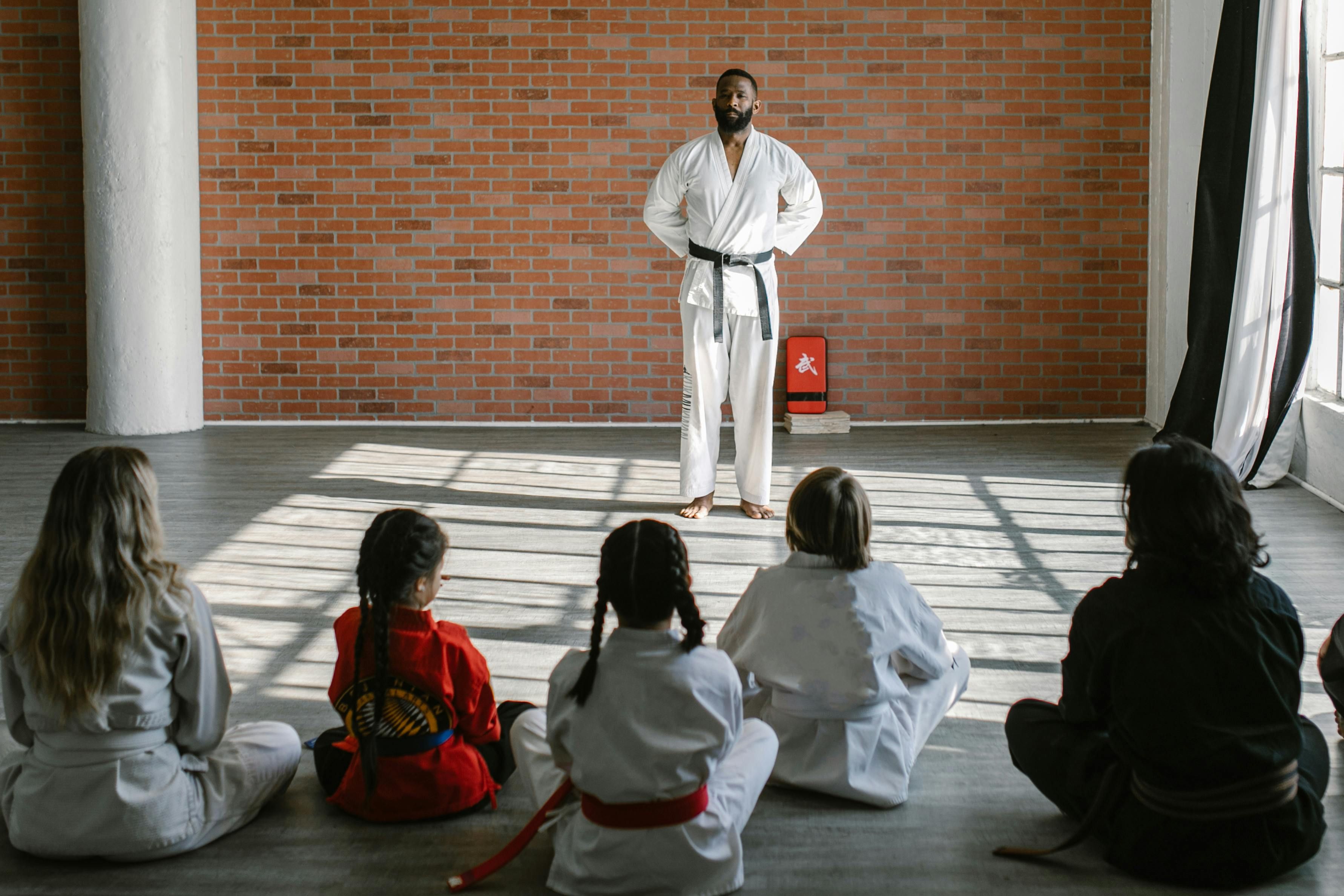
Most adults who start BJJ say the same thing after their first class: “I had no idea what was happening, but I’m coming back.” That reaction is almost universal. You get tapped out repeatedly, you feel completely lost on the ground, and you still want more.
This guide covers what you can realistically expect in your first year of training as an adult.
The First Class
You will feel lost. That is normal. BJJ has a steep learning curve at the start, and your first class will confirm that.
You will probably attend a beginner’s class or be paired with a more experienced student who goes easy on you. Instructors know how to handle new adults. They have done it hundreds of times.
Expect to learn:
- How to fall safely (breakfalls)
- Basic defensive posture
- One or two simple techniques
Do not worry about sparring on your first day. Many academies wait weeks or months before putting new adults in live rounds.
The First Month
This is the hardest stretch. Your body is not used to grappling. You will be sore in places you did not know existed. Your neck, your fingers, your hips.
Your brain will also struggle. BJJ has a large vocabulary of positions, transitions, and submissions. You will not retain most of what you learn in the first few weeks. That is fine. Repetition is how it sticks.
A few things that help:
- Tap early and tap often. There is no shame in tapping. It keeps you safe and lets you keep training.
- Ask questions after class, not during drilling.
- Write down one thing you learned each day.
Most people who quit BJJ do so in the first month. If you make it past 30 days of consistent training, your chances of sticking with it go up sharply.
Months 2 to 6
Around month two or three, something shifts. You start to recognize positions. You understand what your training partner is trying to do, even if you cannot stop it yet.
This is when BJJ gets genuinely fun. You start to have small wins. You escape a position you were stuck in for weeks. You land a sweep for the first time.
Your fitness will improve noticeably. BJJ is one of the most physically demanding sports you can do. Six months of regular training will change your body.
Training frequency matters a lot at this stage. Two classes per week is the minimum for real progress. Three is better. Four is ideal for most working adults.
Months 6 to 12
By month six, you are no longer a complete beginner. You have a game. Maybe a guard you like, or a passing style that feels natural to you.
You will also face your first plateaus. You will hit a point where you stop improving for a few weeks. Do not panic. That is part of the process. Keep showing up.
Some benchmarks for the end of year one:
- You can hold your own defensively against other beginners
- You understand the positions on the ground (guard, mount, side control, back)
- You can execute 5 to 10 techniques with decent mechanics
- You understand what “passing the guard” and “taking the back” mean in context
You will still be a white belt. That is completely normal. The average time to blue belt is 2 years.
The Challenges Adults Face
Starting BJJ as an adult is different from starting as a teenager.
Ego. Adults are used to being competent at things. Getting submitted repeatedly by a 19-year-old who weighs 60 kg is hard on the ego. The people who progress fastest are the ones who leave the ego at the door from day one.
Recovery time. A 20-year-old can train 5 days a week and recover fine. Most adults over 35 need more rest. Build training around your recovery, not just your schedule.
Injuries. BJJ has a non-trivial injury rate. Most are minor: finger strains, bruised ribs, sore neck. Train with partners who respect taps. Tap before it hurts, not after. And if something feels wrong, skip the live rounds.
Time. Most adults starting BJJ have jobs, families, and limited free time. Two classes per week is a real commitment. Be honest with yourself about what you can sustain.
What “Good Progress” Looks Like
After one year of training 2 to 3 times per week, a realistic picture is:
- You survive sparring with white belts of similar experience
- You give blue belts a harder time than you did at month one
- You understand the basic structure of a round
- You have a couple of techniques that work for you consistently
You are not going to be tapping blue belts in year one. But you will have learned one of the most complex and rewarding skills in any sport.
Choosing the Right Academy
The academy matters more than most beginners realize. A good academy for adult beginners has:
- Structured beginner classes separate from advanced rounds
- A culture where tapping is respected
- Coaches who explain technique, not just demonstrate it
- Training partners who treat beginners well
Ask to watch a class before you sign up. Watch how coaches and senior students treat newcomers. That tells you everything.
For Academy Owners
Adult beginners are one of your most valuable student groups. They often have more discipline and consistency than younger students. But they also need a clear structure: defined class levels, tracked progress, and regular communication.
Tools like MatGoat help you manage student progress, track attendance, and keep beginners engaged through their first year — the period with the highest dropout risk.
The academies that retain adult beginners long-term are the ones that make them feel seen and supported from day one.

Founder of MatGoat and a software engineer with more than 20 years of experience building software products. He has practiced BJJ since 2021 and develops MatGoat using feedback from martial arts academies.
View full profile

