
Lesser-Known Martial Arts: Traditional Combat Systems and Cultural Heritage
Explore unique traditional martial arts and combat systems from Asia, Europe, Africa, and the Americas that preserve centuries of culture.
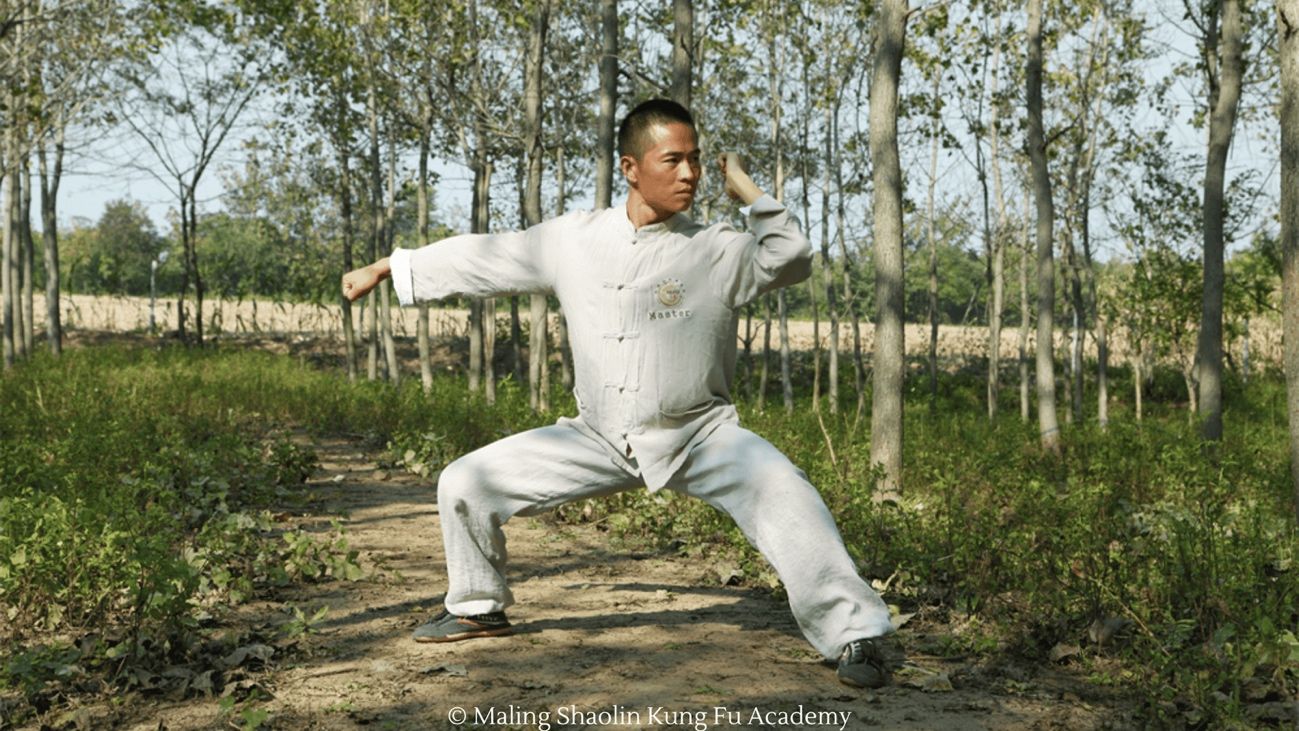
When we think of martial arts, disciplines such as karate, judo, taekwondo, kung fu, boxing, or Brazilian jiu-jitsu immediately come to mind. Several of these boast millions of practitioners worldwide and have become international phenomena through cinema, television, and competitive sports. However, the world of martial arts extends far beyond these familiar names. Hundreds of combat systems exist across the globe, many of which remain virtually unknown outside their places of origin.
Categorizing these diverse martial traditions presents a familiar challenge: deciding what qualifies as an independent martial art versus a regional variant, school, or style of a broader discipline. Furthermore, many systems were handed down through generations without centralized international governing bodies to record them. Even so, the sheer variety of existing practices offers insight into the remarkable cultural diversity surrounding hand-to-hand combat.
Asia
Asia accounts for a significant share of these combat traditions.
In Japan, alongside well-known arts like karate and judo, one finds systems such as shorinji kempo, which integrates self-defense techniques with a philosophy centered on personal character development; naginatajutsu, focused on the naginata, a traditional polearm akin to a glaive; and hojōjutsu, an ancient art utilizing ropes to restrain and immobilize opponents. Several of these disciplines served military or law enforcement roles before transitioning into cultural traditions.
China presents even greater diversity. The broad label kung fu encompasses a multitude of distinct styles; some originated in monastic settings, while others developed within rural communities or passed down exclusively through family lineages:
- Bajiquan (Bā Jí Quán): Renowned for explosive short-range strikes, body checks, and forceful forward momentum.
- Piguaquan (Pī Guà Quán): Characterized by expansive, circular arm motions delivering whiplike strikes. It is frequently taught alongside Bajiquan.
- Xingyiquan (Xíng Yì Quán): A major internal discipline marked by direct, aggressive linear advances informed by five-element theory and animal archetypes.
- Baguazhang (Bā Guà Zhǎng): Instantly recognizable for circular footwork and continual angle changes, employing evasive maneuvering, torso rotations, and strikes from unexpected vectors.
- Tongbeiquan (Tōng Bèi Quán): Focuses on generating striking power through interconnected mechanics linking the back, shoulders, and extended arms.
- Choy Li Fut (Cài Lǐ Fó): A southern Chinese system blending northern and southern methodologies, notable for wide circular strikes and fluid footwork.
- Hung Gar (Hóng Jiā): A foundational southern style characterized by deep stances, animal-inspired mechanics, and rigorous physical conditioning.
- White Crane / Baihequan (Bái Hè Quán): Emulates crane movements with rapid hand techniques, evasive footwork, and close-range strikes across several regional branches.
- Ditangquan (Di Tǎng Quán): Centers on acrobatic movement and ground-based combat, including falls, rolling transitions, and unorthodox low-line attacks.
- Zui Quan (Zuì Quán): The famed drunken boxing style, which mimics unsteady, off-balance movement to disrupt an opponent’s rhythm, feign openings, and launch surprising strikes.
- Yingzhao Fanziquan (Eagle Claw): Combines locking and pressure-point tactics with rapid transitions, celebrated for specialized hand and finger conditioning.
- Tanglangquan (Mantis Boxing): Conceptually draws upon the predatory mechanics of the praying mantis, encompassing multiple branches such as Meihua Tanglang, Qixing Tanglang, and Taiji Tanglang.
Outside Asia
In Brazil, capoeira fuses combat, music, acrobatics, and cultural expression. While globally practiced today, it developed primarily within Afro-descendant communities and endured lengthy periods of legal suppression before gaining institutional acceptance.
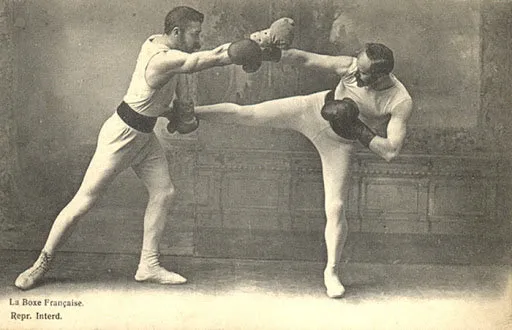
Europe preserves several traditional fighting systems as well. French savate, historically known as boxe française (named after the old French word for worn footwear, reflecting the heavy shoes worn by street fighters during its origins), features two primary formats: Assaut (technical sparring without power) and Combat (full-contact bouts). It relies on precise kicking techniques combined with western boxing punches.
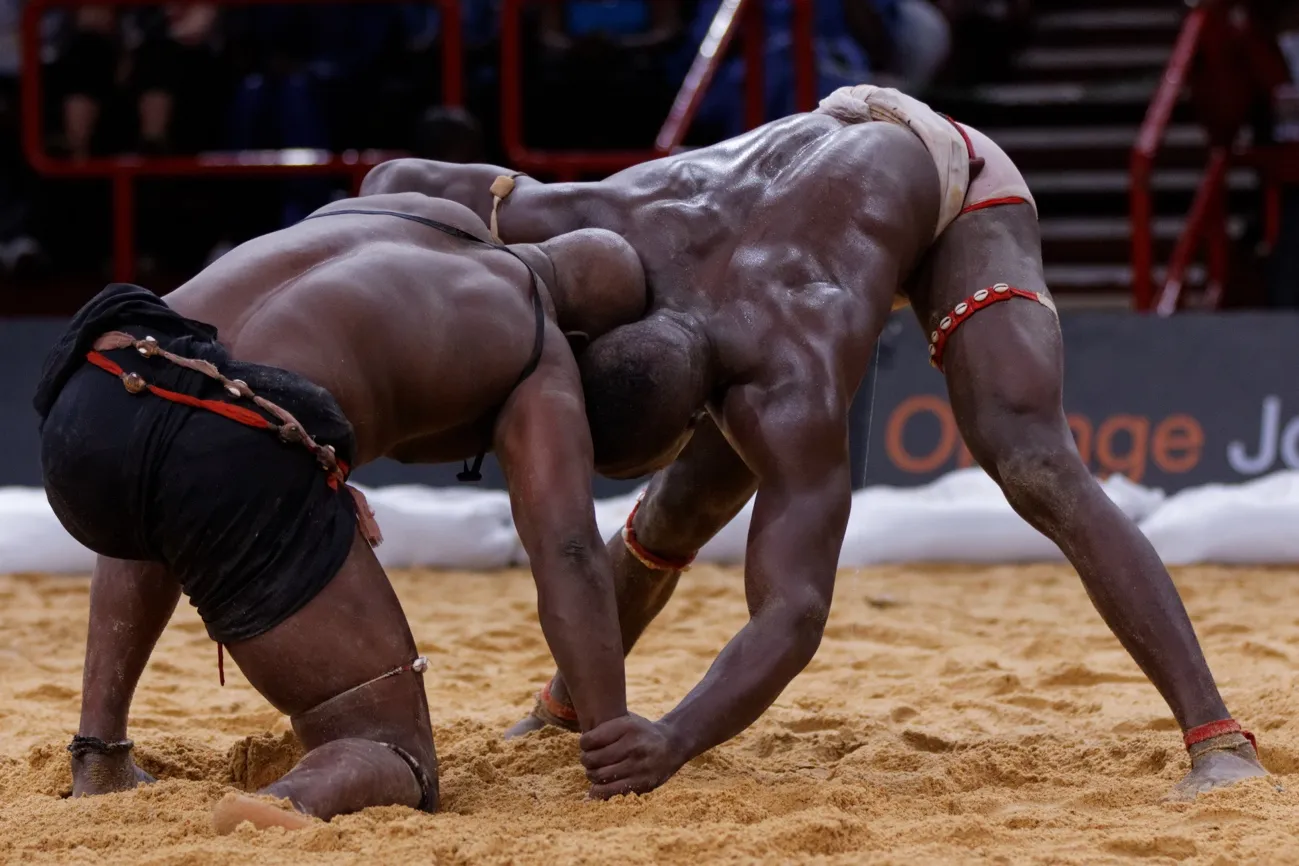
Africa maintains an equally rich martial heritage. A prominent example is lutte sénégalaise, a traditional Senegalese wrestling discipline combining takedowns and bare-knuckle striking that forms a cornerstone of national sporting culture. Across other regions of the African continent, localized grappling styles remain tied to seasonal festivals and community rites.
Southeast Asia also retains formidable fighting arts. Myanmar contributes bando, which unites striking, clinching, and empty-hand defense, alongside lethwei, celebrated for its bare-knuckle rules and permissive use of headbutts rarely seen in other combat sports. In the Philippines, the interlocking arts of arnis, eskrima, and kali developed weapon-based systems using sticks, blades, and improvised implements, coupled with empty-hand striking.
The existence of these disciplines proves that martial arts rarely originated solely as recreational sports. They served vital societal purposes: preparing warriors, defending settlements, training armed forces, preserving ceremonial practices, and resolving disputes. Studying a lesser-known combat art offers a window into the lived history and values of the people who created it.
Ultimately, martial arts constitute a vast cultural repository that defies simple accounting. Far beyond the disciplines showcased at Olympic games, major championships, and commercial films, hundreds of regional fighting arts persist. Each mirrors the necessities, historical challenges, and creative ingenuity of its home society. Studying them reveals that martial arts transcend physical combat: they preserve the living memory of human culture.

Founder of MatGoat and a software engineer with more than 20 years of experience building software products. He has practiced BJJ since 2021 and develops MatGoat using feedback from martial arts academies.
View full profile

