
5 Keys to Getting More Students at Your Academy
Five practical steps to attract new students from Google Maps, your website, and social media, deliver a strong first week on the mat, and turn trial visits into long-term members.
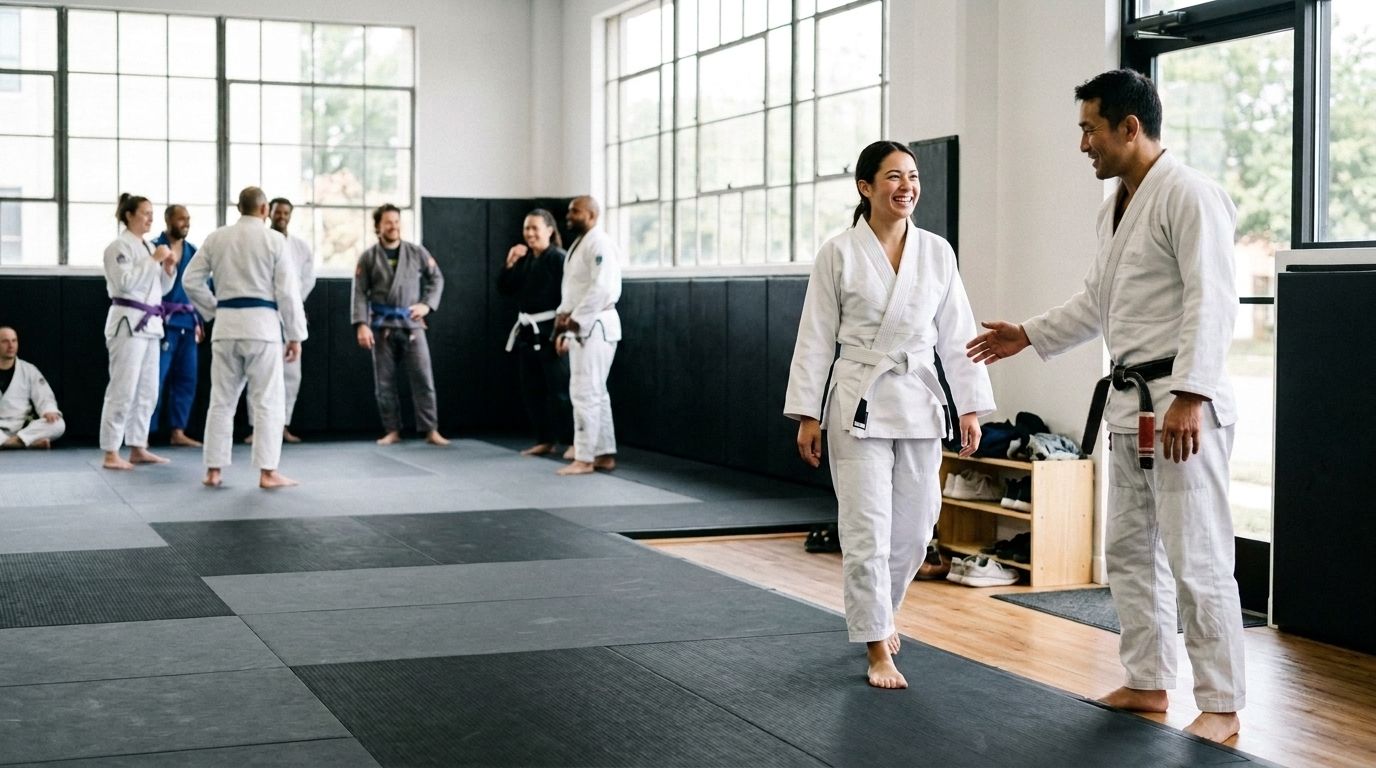
When an academy wants to grow, the first instinct is often to run more ads or post more videos. Visibility matters, yet active student count climbs consistently only when two gears turn together: bringing new faces through the door and keeping newcomers past their first month. Attracting ten inquiries a week achieves very little if the first class feels chaotic, nobody follows up afterward, or signing up takes five back-and-forth messages.
Building that full path takes less effort than most school owners expect, and it applies equally to BJJ, judo, karate, taekwondo, boxing, MMA, and muay thai programs. These five keys lay out practical habits for attracting, welcoming, and retaining more students, showing where a system like MatGoat fits naturally into daily operations without adding bureaucracy.
1. Attract new students through Google Maps, your website, and social media
Nearly everyone looking for a place to train begins on a phone. Before sending a message or walking in, prospective students and parents compare nearby schools, check schedules, and look for real signs of trust. Covering these three channels turns local curiosity into actual mat visits.
Google Maps and your Google Business Profile
When someone searches for martial arts classes near their neighborhood, the map pack usually appears above regular websites. Claim your Google Business Profile, pick the most accurate primary category for your discipline, and keep your business name, address, phone number, and opening hours exact. Update holiday or summer schedules there first whenever hours shift.
Photos and reviews drive a large share of map clicks. Upload genuine pictures of your storefront, the training floor, and normal classes with participant consent instead of generic stock images. Build the habit of asking for an honest review right after a positive milestone, such as a finished first month, a stripe promotion, or a family event, by sharing your direct link without offering discounts or gifts in return, since Google prohibits incentivized reviews.
Your own academy website
Even when someone discovers you on the map or through a friend, they usually open your website to check two details: when classes run and what membership costs. If the schedule sits inside a blurry image or an awkward PDF on mobile, and pricing stays hidden, many visitors close the tab and contact the next academy.
Publish your timetable as readable plain text, share a starting price or an honest explanation of how memberships work, give adult beginners and kids classes dedicated sections, and repeat one primary call to action across every page. Our guide on how to create a martial arts academy website walks through the complete page structure step by step.
Social media that lowers first-day nerves
On Instagram, TikTok, or YouTube Shorts, the posts that bring in genuine beginners are rarely high-intensity competition highlights. People who have never trained often worry about looking awkward, being out of shape, or getting hurt on day one.
Show what a beginner session actually looks like, introduce your coaches briefly, explain what clothing to bring for a first visit, and show how partners adjust intensity for newcomers. Keep one direct link visible in your bio so someone who feels ready can act right away.
Moving from discovery to registration without endless messages
Good inquiries cool off quickly when someone taps a link on Google Maps, your website, or Instagram and then waits hours in a chat thread just to hand over their name, email, and phone number. With the MatGoat signup link, you can point your website button and social bio straight to a clean mobile-friendly form. The visitor fills in their details in under a minute and lands directly on your student list. If you are getting ready to open a new location or building a waitlist first, enabling pre-registrations before opening keeps interested contacts organized until classes begin.
2. Deliver a great experience during their first days training
Getting a newcomer onto the mat takes work, and what happens across their first three sessions largely determines whether they return the following week. Someone arriving with zero experience often feels nervous, unsure where to leave shoes, uncertain about physical contact, and worried about keeping up with the group.
A few consistent habits change that early impression immediately:
- Let the instructor know beforehand that a newcomer is attending, and greet them by name at the door.
- Show them the changing area, shoe storage, and basic hygiene and safety rules before stepping onto the mat.
- Introduce them to one or two reliable senior students so they are never standing alone while warm-ups start.
- Match partners thoughtfully and dial back intensity during the first week, keeping brand-new beginners out of hard rounds or advanced chains without context.
- Recommend a realistic starting rhythm, such as two classes a week during month one, to prevent severe soreness or minor strains that break the habit around week three.
Smooth check-in and support between sessions
A calm welcome also shows up in small operational details. Running a front-desk tablet in kiosk mode prevents doorway bottlenecks and spares the coach from wasting warm-up minutes with paper sign-in sheets: regular members check in with two letters while first-time visitors can start an express signup or attend with a day pass without holding up class.
After their first couple of classes, beginners often feel overloaded by unfamiliar terms and movements. Inside the MatGoat Content library, you can assemble a beginner starter folder with short videos or written pages covering mat etiquette, tying a belt, or core first-week positions. Five minutes of review at home helps a newcomer walk into class three with far greater confidence.
3. Reach out to them after their first classes
Silence after session one or two causes more quiet drop-offs than hard workouts. Most trial students leave feeling energized, yet by the next morning muscle soreness sets in, a work deadline pops up, or a small question about schedule or gear pops into mind. When four days pass with zero contact from the school, staying home becomes the easier choice.
Sending a short, personal message 24 to 48 hours after that first session shifts the outcome. Ask how their body felt the next day, check whether the class time fit their schedule cleanly, and suggest a specific day for their second visit. Keeping that light touch through the first month prevents a single missed week from turning into awkwardness about coming back.
In kids programs, that same follow-up belongs with parents. A brief message to mom or dad after the opening sessions sharing how their child settled into the group signals attentive coaching and reinforces their decision to stay.
Spotting attendance drops before habits cool off
Once an academy grows past thirty or forty members across multiple time slots and coaches, keeping track in your head of who tried Tuesday night or who has been absent for ten days falls apart. The student tracking dashboard in MatGoat combines recent check-ins with days since a member’s last class to flag who needs a timely check-in, separating pending outreach from students you have already contacted.
From Conversations, you can send a private message straight to the new student, or to their parent or guardian on managed youth accounts, keeping context inside one academy thread instead of scattering updates across personal messaging apps. If you want a structured weekly routine around these signals, our student tracking guide outlines what patterns to watch first.
4. Turn student satisfaction into word of mouth, open days, and family programs
Digital channels reach people who do not know your school yet, whereas happy members bring friends who already trust your academy before stepping inside. Walking through the door alongside a friend, partner, or coworker removes most of the anxiety around a first martial arts class.
Rather than leaving referrals to chance, give members natural reasons to invite people every quarter:
- Host open-mat intro days, beginner workshops, or bring-a-friend sessions tailored specifically to newcomers.
- Treat your kids program as an anchor for whole families: when parents notice organized classes, respectful coaching, and steady progress, they recommend your school to other families at school pickup and often join adult classes themselves.
- Offer low-commitment entry options for guests, such as a single-day drop-in or a fixed-length intro course, so friends can try training together before committing to a monthly plan.
Public event links and family accounts in one workflow
MatGoat lets you publish events with public registration links and capacity limits, so members can share an open link with friends who do not have an academy account yet. You can rally your roster beforehand with an announcement, pair first visits with day passes or one-time intro plans, and link parent and child profiles cleanly when multiple family members train under one roof. If you are refining youth classes, our post on building a kids martial arts program covers structure and parent communication in detail.
5. Simplify enrollment, billing, and visible student progress
Steady academy growth pairs fresh enrollments with keeping existing members active. Plenty of schools lose sign-ups right at the finish line because front-desk staff explain five overlapping plans, collect loose paper forms, or ask coaches to chase cash renewals before warm-ups.
Offering two or three straightforward plans removes hesitation on the spot. State clearly how many sessions per week each tier includes, when billing occurs, and whether class vouchers or drop-ins exist for irregular schedules. Handling enrollment and payment cleanly on a phone keeps instructors focused on coaching and welcoming the group.
The second half of early retention comes from making progress tangible right from month one. Watching attendance totals climb, understanding how stripes or belts are earned, and receiving timely recognition in front of peers turn an experiment into a lasting routine.
Clean billing alongside visible milestones
With MatGoat payments, you can set up clear subscription tiers, class packs, or single passes, collect by card or share a direct payment link and QR code so a visitor finishes enrolling from their phone right after class, and review monthly payment status at a glance without awkward desk conversations.
Meanwhile, every kiosk check-in updates the student’s profile automatically, feeds internal leaderboards if your academy uses them, and gives coaches real attendance context for belt promotions or regular check-ins. To connect acquisition, trial conversion, retention, and mat capacity into one quarterly roadmap, explore our guide on how to grow a martial arts academy.
Pick one improvement to put in place this week
Raising your student count does not require overhauling every part of your business at once. Choose one concrete action from these five keys to put into practice over the next seven days: refresh your Google Business Profile photos and signup link, make sure schedules and pricing read clearly on mobile, build a starter Content folder for beginners, or message everyone who tried a class last week.
Whenever you want to keep signups, tablet check-in, billing, and early student follow-up together in software built around martial arts academies, try MatGoat free for 30 days and see how it fits your daily classes.
Oss 🤙
Frequently asked questions
Which channel usually brings new students into a martial arts academy fastest?
A complete Google Business Profile paired with a clear website captures people who are already searching for classes near home. Social media helps prospective members get to know your school and lower their first-day nerves, while referrals from current students convert best because initial skepticism is already gone.
When should you message someone after their trial class?
Aim to reach out within 24 to 48 hours after the session. A brief message asking how they felt and confirming which class slot fits their week answers small doubts before momentum fades.
How can software help grow student numbers without feeling impersonal?
Organized software takes repetitive tasks and missed follow-ups off your plate, leaving instructors with more time to greet newcomers properly and check in with anyone who misses class.
What slows academy growth down more: low lead flow or early dropouts?
Both problems feed each other, though many academies lose a large share of new enrollments within their first 60 days. If a school signs up ten people and half stop coming before month three, strengthening reception, early check-ins, and clear plans pays off before spending more on ads.
What should a strong first-week onboarding experience include?
Greet the newcomer by name at the door, explain basic hygiene and safety rules, pair them with an attentive training partner during drills, suggest a sustainable two-classes-per-week starting pace, and share simple material they can review at home.

Founder of MatGoat and a software engineer with more than 20 years of experience. He has practiced BJJ since 2021 and develops MatGoat using feedback from martial arts academies.
View full profile

